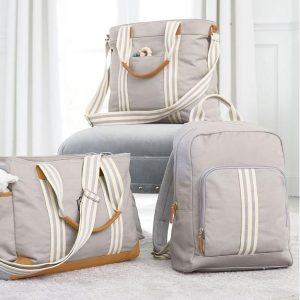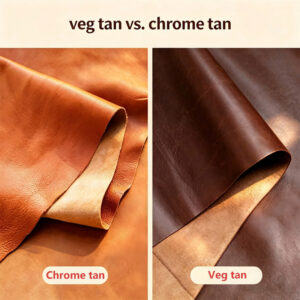
Microfiber leather is a type of faux leather made from a fine-fiber base material. Polyurethane (PU) resin is impregnated into the fiber structure, and a finishing layer is formed on the surface. Although it is not genuine leather, its internal structure imitates the dense fiber network of natural leather. As a result, it offers a more leather-like hand feel and appearance than conventional PU, along with good abrasion and flex resistance and more consistent production quality.
For handbag development, microfiber leather is a suitable option for projects that require a leather-like appearance, easy care, no animal-derived materials in the face fabric, and reliable mass-production consistency.
Ⅰ. Definition and Structure of Microfiber Leather
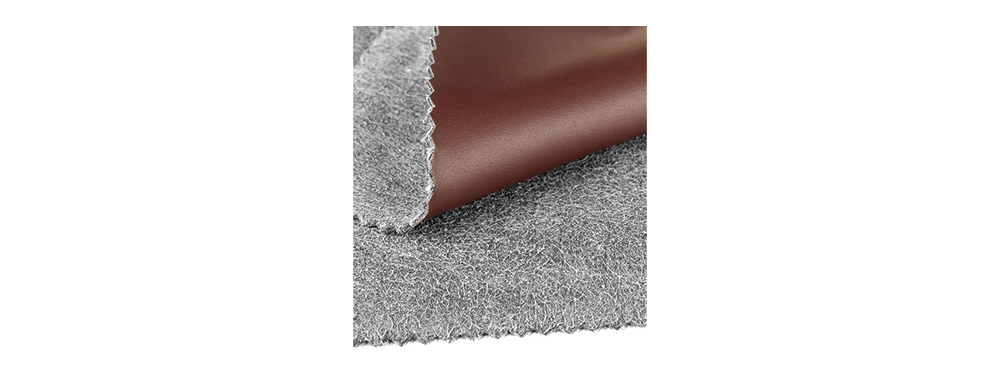
The full technical name for microfiber leather is microfiber polyurethane synthetic leather, also known as microfiber synthetic leather. Its construction is not simply a plastic film laminated onto ordinary fabric. Instead, a three-dimensional, interwoven microfiber nonwoven fabric forms the structural base, while PU resin penetrates the spaces between the fibers to create an integrated leather-like material. This fiber framework is what gives microfiber leather a hand feel, flex and abrasion performance, and cross-sectional structure that resemble those of genuine leather.
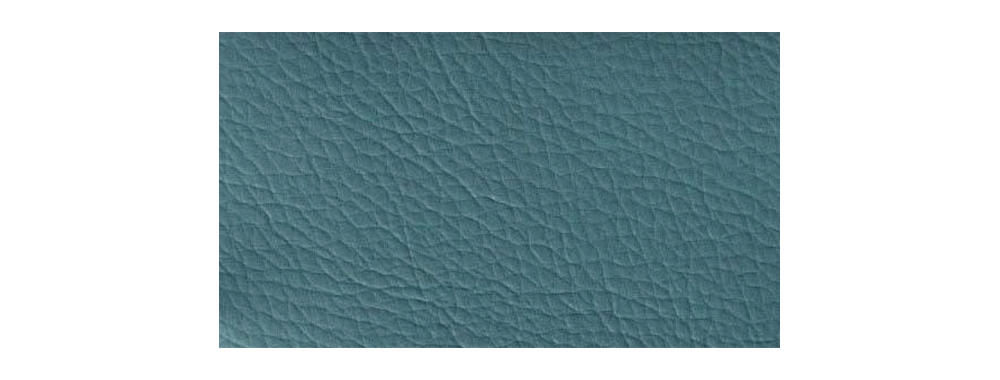
How It Differs from Conventional PU
Conventional PU leather is typically made by applying a PU coating directly to a knitted or woven fabric backing, leaving a relatively distinct boundary between the substrate and the surface layer.
Microfiber leather, by contrast, is formed as an integrated structure consisting of a dense microfiber substrate, PU resin filling, and a surface skin. High-quality microfiber leather is less likely than low-cost PU to peel off in large sheets, and its creasing tends to look more natural. However, it remains a synthetic material.
The Three Main Components of Microfiber Leather
• Microfiber Nonwoven Base Fabric: Usually made from polyester or nylon fibers. The extremely fine fibers interlock to form a dense three-dimensional network, which is the key feature distinguishing microfiber leather from ordinary PU.
• Polyurethane (PU) Resin: Acts as a binder and filler and helps form the surface skin. It provides elasticity, flexibility, and a leather-like touch. PU systems are generally classified as solvent-based, water-based, or solvent-free, with significant differences in environmental compliance, hand feel, and hydrolysis resistance.
• Surface Finishing: Includes embossing, dyeing, printing, foil stamping, and abrasion-resistant treatments. These processes largely determine the material’s appearance and touch, although the achievable results depend on the quality of the base fabric and PU system.
Ⅱ. Microfiber Leather vs. Conventional PU vs. Genuine Leather
| Comparison | Genuine Leather | Microfiber Leather | Conventional PU Leather |
| Raw Material / Construction | Animal hide | Microfiber nonwoven fabric + PU resin | Knitted or woven fabric backing + PU coating |
| Genuine Leather? | Yes | No | No |
| Abrasion and Flex Resistance | Excellent overall, although strength varies by hide area | Good; high-grade products can perform particularly well | Generally average; low-grade products may crack or peel |
| Hand Feel and Appearance | Natural, distinctive grain and texture | Close to genuine leather, but retains some synthetic characteristics | Often has a more obvious plastic-like feel |
| Breathability | Good | Better than most conventional PU, but below premium genuine leather | Poor |
| Batch Consistency | Natural variation is significant | Color, thickness, and texture can be reproduced consistently; suitable for mass production | Can be consistent, but quality varies widely |
| Care Requirements | Requires periodic specialized conditioning | Easy to clean, with basic water- and stain-resistance | Can be wiped clean, but damage is difficult to repair |
| Environmental / Vegan Considerations | Animal-derived | Contains no animal-derived fibers; environmental performance depends on the PU system and accessories | Contains no animal-derived fibers; environmental performance depends on the formulation |
| Suitable Handbag Applications | Premium collections emphasizing a natural leather look | Commuter bags, totes, vegan collections, and repeat-production styles | Mainstream and promotional products |
Sourcing Note: None of these three materials is universally superior. The key is to select a material that matches the brand positioning, target retail price, intended use, export-market testing requirements, and after-sales expectations.
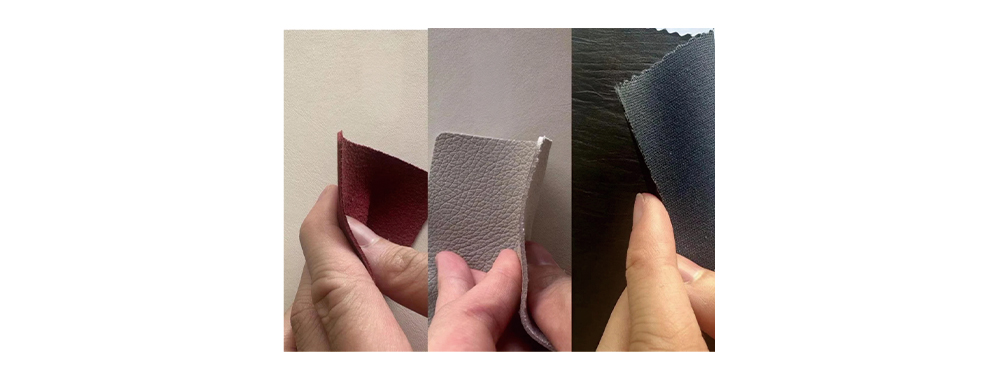
Ⅲ. Advantages and Limitations of Microfiber Leather for Handbags
1. Advantages
• Abrasion and Flex Resistance: Suitable for frequently used styles such as tote bags and crossbody bags. High-quality microfiber leather generally offers better stability than conventional PU after repeated flexing and rubbing.
• Consistent Production Batches: Color, thickness, grain, and hand feel can be reproduced consistently. This reduces cutting waste and color-matching challenges associated with natural hide imperfections, making bulk production and repeat orders easier to manage.
• Lower Maintenance Costs: The surface provides a degree of stain and water resistance and can generally be cleaned with a soft cloth, helping reduce after-sales service issues.
• Versatile Processing: Compatible with embossing, printing, foil stamping, stitching, and edge finishing, offering broad design flexibility.
• Supports Vegan Positioning: The face material contains no animal-derived components. However, a fully vegan claim or certification also requires compliant adhesives, edge paint, lining, and other accessories.
• High Material Utilization: It does not have natural scars or the uneven thickness commonly found in hides, allowing more predictable cutting yields and better cost control.
2. Limitations
• It Is Not Natural Leather: It does not have the pores and grain structure of genuine leather and does not develop a natural patina. It is therefore not ideal for premium products whose appeal depends on an authentic natural-leather character.
• Limited Breathability: It is generally more breathable than conventional PU, but usually does not match premium genuine leather. Styles requiring high breathability should be evaluated carefully.
• Wide Variation in Quality: Low-grade microfiber leather may develop surface powdering, cracked corners, whitening along creases, or coating delamination over time. The label “microfiber leather” alone does not guarantee quality; the backing, PU system, and test reports should be verified.
• Inconsistent Market Terminology: Terms such as “tech leather,” “eco leather,” and “environmentally friendly leather” are often marketing labels and do not necessarily mean microfiber leather. Evaluate the actual material construction rather than relying on the product name.
• Environmental Considerations: Although the face material contains no animal-derived components, conventional solvent-based PU can generate VOC emissions. Water-based PU, solvent-free PU, and more environmentally responsible fiber-opening processes are among the industry’s improvement directions.
Ⅳ. Practical OEM Sourcing Guide for Microfiber Leather Handbags
1. How to Evaluate the Actual Quality of Microfiber Leather
• Verify the Backing: Confirm that the material uses genuine microfiber nonwoven fabric, rather than ordinary knitted or woven fabric coated with PU and marketed as microfiber leather.
• Identify the PU System: Determine whether it is solvent-based, water-based, or solvent-free, and confirm the surface-finishing process. These factors directly affect hand feel, hydrolysis resistance, and export-market compliance.
• Review Test Data: Pay particular attention to abrasion resistance, flex resistance, lightfastness, perspiration resistance, peel strength, and colorfastness. Requirements should be aligned in advance for different handbag components and destination markets.
• Inspect the Cross-Section and Creasing: The cross-section should show a uniform, dense microfiber network. After repeated gentle folding, the material should not quickly turn white, develop permanent creases, or show separation of the surface layer.
• Check the Odor: Materials with a strong, irritating solvent smell should be treated with caution, especially for markets with strict VOC controls.
2. Recommended Applications
• Tote Bags, Commuter Bags, and Shopping Bags: Ideal for frequent-use products where abrasion resistance and easy care are important.
• Crossbody Bags and Small Leather Goods: Consistent colors and textures support coordinated collections and range development.
• Vegan Product Lines: Suitable for brands developing animal-free product collections, provided that all relevant components meet vegan requirements.
• Styles Requiring Special Surface Effects: Suitable for designs incorporating embossing, printing, foil stamping, and other decorative finishes.
• Ongoing Mass-Production Collections: A practical option for brands requiring consistent quality, stable supply, and frequent repeat orders.
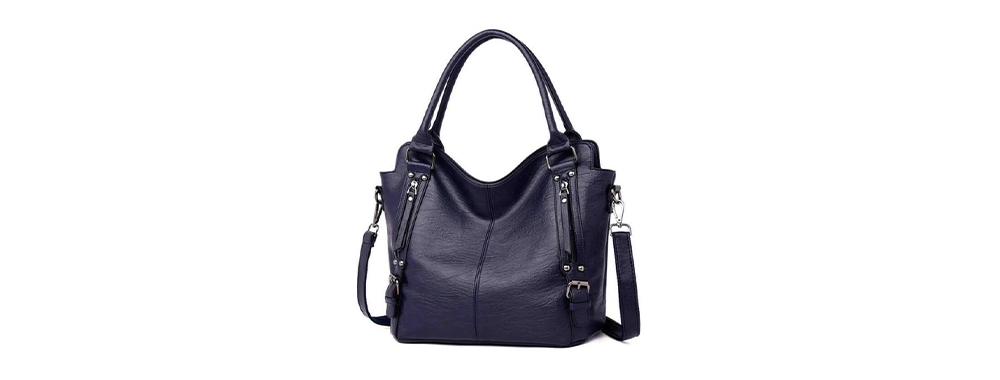
Not Recommended For:
• Premium genuine-leather collections that place the highest priority on authentic leather grain, breathability, and the development of a natural patina.
• Extremely low-budget products intended only for short-term promotional volume, where conventional PU is likely to be a better cost fit.
3. Cleaning and Care
• Routine Cleaning: Spot-clean with a soft cloth dampened with a neutral cleaner. Do not soak the entire product for an extended period.
• Avoid Direct Sunlight and High Temperatures: Avoid prolonged exposure to direct sunlight and storage at high temperatures to prevent surface aging.
• Avoid Harsh Cleaning Agents: Do not use strong solvents, high-concentration alcohol, or stiff-bristled brushes. Alcohol can directly damage the surface finish.
• Repair Surface Damage Promptly: Repair worn corners and cracked edge paint promptly to prevent the damage from spreading.
• Proper Storage: Store in a dry, well-ventilated place and avoid prolonged compression that may deform the bag.
• Do Not Machine-Wash: Microfiber leather handbags should not be machine-washed.
Ⅴ. Frequently Asked Questions (FAQ)
Q1. Is Microfiber Leather Genuine Leather?
A: No. It is made from a microfiber base fabric and PU resin. Its structure imitates genuine leather, but it is a type of synthetic leather.
Q2. Are Microfiber Leather Handbags Durable?
A: In general, microfiber leather performs better than conventional PU. Actual service life depends on the grade of microfiber leather, the PU system, surface finishing, and the quality of the complete set of trims and workmanship.
Q3. Does Microfiber Leather Peel?
A: Low-quality microfiber leather may experience coating delamination where the backing and PU are poorly bonded. Properly manufactured microfiber leather has an interpenetrating fiber-and-PU structure, making large-scale peeling less likely than with inexpensive PU. Performance still depends on material grade and the selection of complementary components.
Q4. Is Microfiber Leather More Suitable Than PU for Handbags?
A: It generally offers better overall performance, but it also costs more. Whether it is the right choice depends on product positioning, budget, and testing requirements.
Q5. Is Microfiber Leather a Vegan Material?
A: The face fabric contains no animal-derived components. However, vegan certification requires the adhesives, edge paint, lining, and all other accessories to meet the relevant requirements. The complete product must be assessed.
Ⅵ. Conclusion
For leather handbag OEM projects, microfiber leather offers a practical balance of abrasion resistance, batch consistency, easy maintenance, animal-free face material, and cost. Whether it is the right choice depends on the brand’s positioning, target selling price, intended use, and quality standards.
As a professional handbag manufacturer, we recommend defining the handbag style, desired surface effect, destination-market testing standards, and budget before selecting the appropriate grade of microfiber leather. The material should then be matched with a compatible system of edge paint, adhesives, and lining.
If you are developing a microfiber leather handbag collection, share your design, target market, and testing requirements with us so that we can evaluate the materials and manufacturing processes together.